How To Clean Interior Glass Without Streaks On A Daily Driver
A practical step-by-step guide to how to clean interior glass without streaks on a daily driver, including preparation, instructions, common issues, tips, and next steps.
How To Clean Interior Glass Without Streaks On A Daily Driver
Cleaning interior glass on a daily driver without streaks requires the right technique, tools, and timing. This guide covers everything from choosing the safest cleaner for tinted windows to avoiding common mistakes like cleaning in direct sunlight. You will learn a simple, effective method that leaves glass crystal clear and streak-free, even with regular use.
Fast Answer
- Use a microfiber towel and a 1:1 vinegar-water solution on a cool, shaded window. Wipe horizontally on the inside, then vertical on the outside to spot streaks.
- For stubborn film, apply a small amount of rubbing alcohol to a clean microfiber, wipe, then buff with a dry section. Avoid ammonia-based cleaners if you have tinted glass.
Before You Start
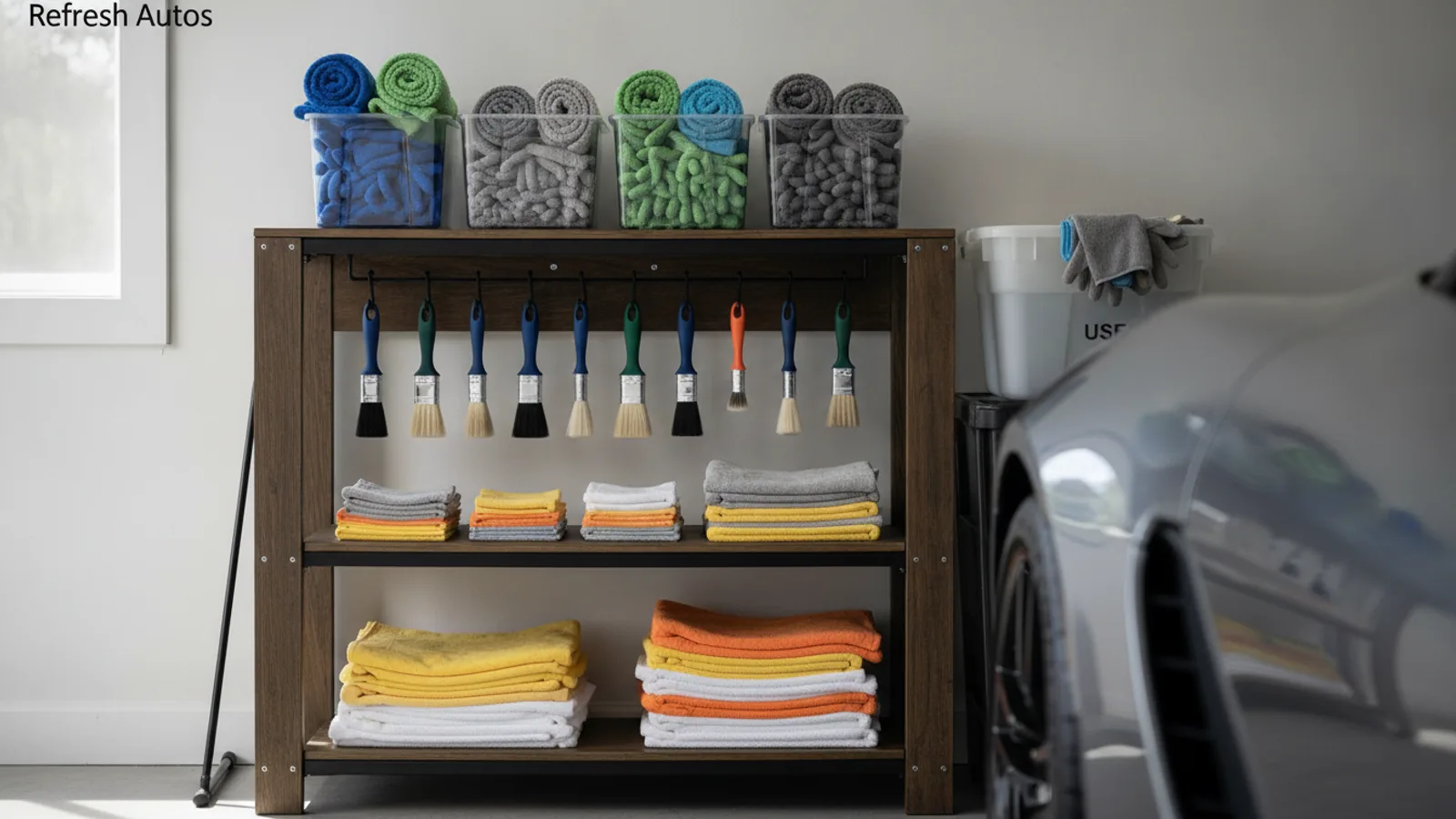
- Gather a clean, dry microfiber towel (at least 16x16 inches) and a second for buffing. Avoid paper towels or old rags that leave lint or oils.
- Mix a solution of equal parts distilled water and white vinegar in a spray bottle. For heavier grime, add a drop of mild dish soap.
- Park the car in the shade or wait until the glass is cool to the touch. Cleaning in sunlight causes the solution to dry too fast, leaving streaks.
- Remove any objects or stickers near the glass, and dust the dash and vents to prevent particles from blowing onto the glass while you clean.
Step-by-Step Instructions
Prepare Your Cleaning Solution and Tools
First, mix your cleaning solution in a clean spray bottle. Use one part white vinegar to one part distilled water; the vinegar cuts through grease and grime without harsh chemicals. If the glass has sticky residue, add a single drop of mild dish soap to break it down. Next, lay out your microfiber towels. You need at least two: one for the wet wipe and one for the final buff. Make sure the towels are clean and completely dry; any moisture or fabric softener residue can cause smears. Before starting, press your hand against the glass. If it feels cool and not cold, you can proceed. If the glass is hot from the sun, wait or move to a shaded area. This preparation prevents the solution from drying too quickly and ensures you have the right tools for a streak-free finish.
Spray the Solution Sparingly onto the Glass
Hold the spray bottle about 8-10 inches from the glass and mist the surface lightly. You want a fine, even mist, not heavy drops. Over-spraying creates excess liquid that takes longer to dry and can run down into seals or dash. Focus on the main area of the window, including the edges where grime often hides. If you are cleaning the windshield, cover the dashboard with a towel beforehand to catch any drips. After spraying, you have a brief working time before the solution evaporates, so work in sections. For a side window, you can spray the entire pane; for a large windshield, spray a half or a third at a time. This method lets you wipe while the solution is still wet, which is key to preventing streaks. A light mist is all you need because the vinegar solution is effective even in small amounts.
Wipe with a Clean, Dry Microfiber Cloth
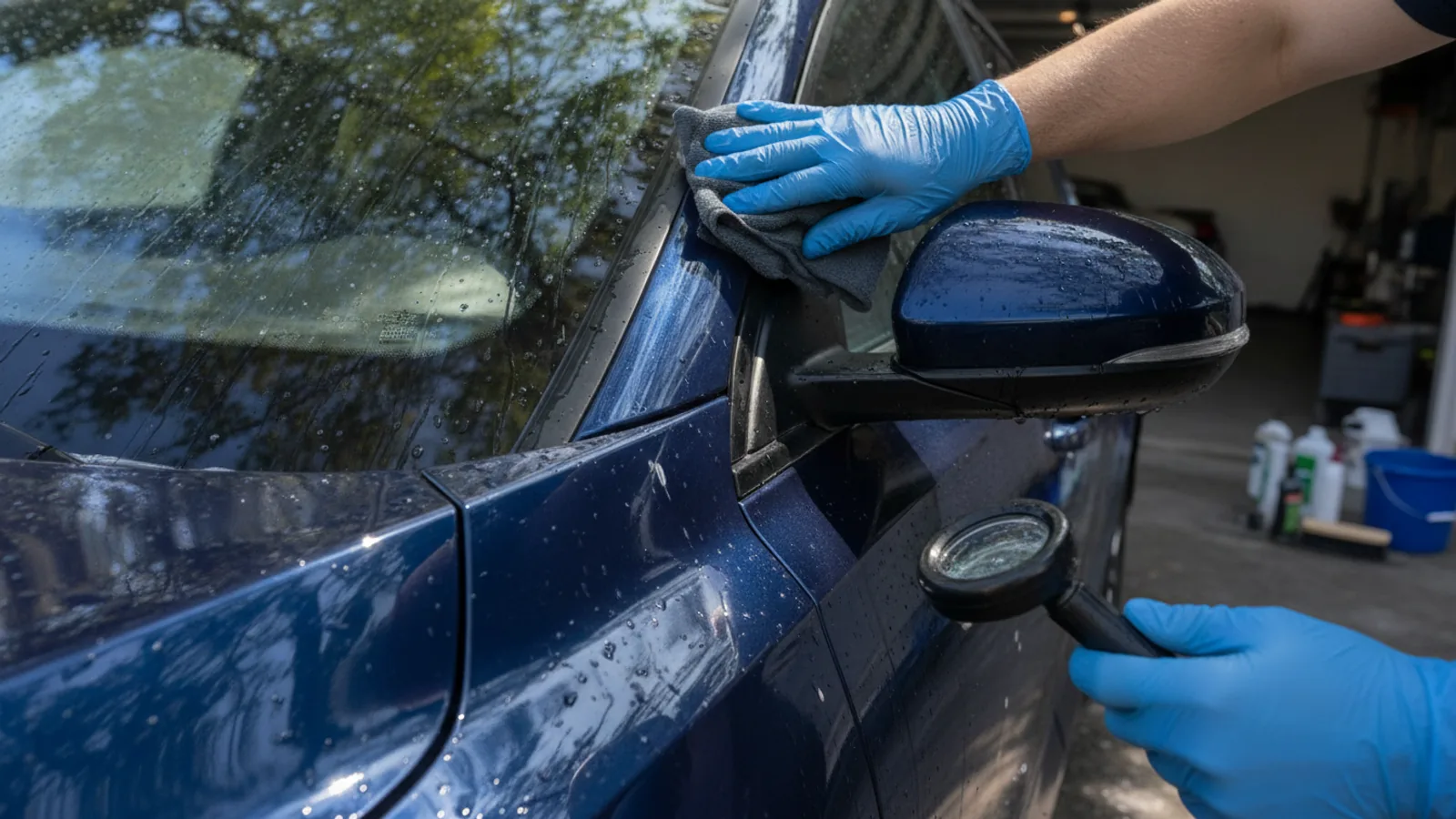
Take your first dry microfiber towel and fold it into quarters so you have a thick, plush surface. Starting at the top corner, wipe the sprayed area in a single direction—either side to side or up and down. Use moderate pressure: not too light that you skip residue, not too hard that you smear. As the cloth picks up dirt, flip it to a fresh side. Do not rub in circles, which can push dirt around. Cover the entire wet area once, then inspect the glass. You should see a mostly clear surface with maybe a few damp spots. If you notice streaks or leftover film, that section needs another pass. The key is to use a dry cloth that can absorb the liquid and lift grime away. A clean, dry microfiber is the single most important tool for streak-free glass.
Buff the Glass to a Crystal-Clear Finish
After the initial wipe, take your second dry microfiber towel and fold it into quarters. This towel should be completely dry and unused. Now, gently buff the entire window surface with a light, sweeping motion. You are not trying to add more liquid; you are simply polishing the glass to remove any last traces of moisture, lint, or cleaning residue. Work from top to bottom or side to side, overlapping each pass slightly. Pay special attention to the edges and corners where streaks tend to remain. You may need to press a bit harder in areas with stubborn spots, but don't press so hard that you strain your wrist. The buffing step transforms a clean but slightly cloudy window into a sparkling, transparent one. It also removes any microfiber lint that might have been left behind. When you finish, the glass should feel smooth and entirely transparent.
Check Your Work with the Sun at Your Back
Once the glass is dry, it is time to inspect your work in the best possible light. Stand or sit so that the sun is behind you, meaning the light hits the glass from the same side you are looking from. This angle makes any streaks or smudges clearly visible as hazy lines. If you are cleaning the outside of a side window, lean in close and look through the glass at an angle. Sweep your eyes across the entire surface. If you see streaks, they are usually caused by leftover solution or a dirty towel. Sometimes a quick touch-up is needed: spray a tiny mist on the streaky area and wipe with a fresh microfiber. This check is essential because it catches imperfections that are not obvious in normal lighting. A streak-free result means you cleaned correctly, not just that you wiped. Make sure to inspect both the inside and outside glass if you did both.
Treat Stubborn Film and Oily Residue
If you have a persistent film or oily residue that the vinegar solution does not remove, use rubbing alcohol as a spot treatment. Dampen a corner of a clean microfiber towel with a small amount of isopropyl alcohol (at least 70% concentration). Wipe the affected area in a circular motion, then immediately buff with a dry part of the towel. The alcohol evaporates quickly and cuts through oils and silicone-based protectants that can leave a haze. Avoid using too much alcohol, as it can damage some interior trim if it drips. For very stubborn spots like tree sap or hard-water spots, you can make a paste of baking soda and water, apply it with a soft cloth, then rinse and buff. Always test on an inconspicuous area first. This step ensures that even the most neglected glass becomes clean and streak-free.
Quick Reference
| Situation | Action | Why it helps |
|---|---|---|
| You see streaks on the inside windshield on a sunny day | Use a clean, dry microfiber towel to buff the glass in a crosshatch pattern, working from top to bottom. If streaks persist, mist the glass lightly with your vinegar solution and wipe with a fresh towel. | Streaks indicate leftover residue or moisture. Buffing redistributes any remaining film, while a light re-clean removes the residue entirely. |
| The glass has a greasy or sticky film that won't come off with soap | Dampen a microfibre cloth with rubbing alcohol and wipe the affected area, then buff with a dry cloth. If the film is heavy, apply a small amount of baking soda paste, rinse with a damp cloth, and dry. | Alcohol dissolves oils and silicone, while baking soda provides gentle abrasion to lift stubborn residue without scratching glass. |
| You are cleaning windows on a hot day and the solution dries too fast | Wait until the glass is cool to the touch, or park in a shaded area. If you must clean, work in small sections and spray a little more solution to slow evaporation. | Heat accelerates evaporation, causing the cleaner to dry before you can wipe it off, which leaves mineral deposits and streaks. |
Common Issues
- Streaks appear after cleaning, usually in direct sunlight: Wait for the glass to cool and clean in a shaded area. Use a fresh, dry microfiber towel and buff the glass after wiping to remove any residual moisture. Re-clean if needed.
- A hazy film remains on the glass that soap doesn't remove: Use a mixture of vinegar and water with a drop of dish soap for initial cleaning. If film persists, use rubbing alcohol on a microfiber cloth to cut through the residue, then buff dry.
- Small lint fibers from towels stick to the glass: Use a high-quality, lint-free microfiber towel. If lint is present, wipe the glass with a slightly damp towel and then buff with a dry one. Avoid using paper towels or old t-shirts that shed.
Advanced Tips
- For a streak-free shine without chemicals, use a damp (almost dry) microfiber towel that has been rinsed in hot water and wrung out thoroughly, then buff with a dry one.
- To prevent fogging, apply a thin layer of diluted baby shampoo (a drop in a cup of water) to the inside glass and buff until clear; this acts as an anti-fog agent for a few weeks.
- Clean your glass when the car is cool, ideally in the morning or evening. If you must clean in daytime, use a spray bottle with fine mist and work quickly in small sections.
Final Checklist
- Parked in the shade or cleaned when glass is cool to prevent quick evaporation.
- Used a dedicated microfibre towel for cleaning and another for buffing, both lint-free.
- Sprayed the solution sparingly and wiped in a single direction, then buffed to a clear finish.
- Inspected the glass at an angle with sunlight behind you to confirm no streaks remain.
FAQ
Can I use window cleaner with ammonia on my car windows?
It is best to avoid ammonia-based cleaners because they can damage window tint and leave a residue that is hard to remove on autoglass. Use a mild vinegar and water solution or a dedicated automotive glass cleaner that is labeled safe for tinted windows. Always test a small area first.
Why do I see streaks after cleaning even when I use a microfiber towel?
Streaks often happen when you use a towel that has fabric softener residue, or when you spray too much cleaner and it dries before you wipe. Make sure the towel is clean, dry, and free of softener. Work in small sections, wiping while the solution is still wet, then buff dry with a fresh towel.
How often should I clean the interior glass of my daily driver?
A good routine is to clean the inside glass every two weeks or at least once a month, depending on how much you drive and whether you smoke or have passengers. In high-dust areas or during pollen season, you may need to do it weekly. Regular light cleaning prevents heavy buildup that leads to stubborn streaks.