How To Plan A Seasonal Car Care Checklist Before Winter
A practical step-by-step guide to how to plan a seasonal car-care checklist before winter, including preparation, instructions, common issues, tips, and next steps.
How To Plan A Seasonal Car Care Checklist Before Winter
Winter weather can be harsh on your vehicle, leading to breakdowns, safety issues, and costly repairs. Creating a seasonal car-care checklist before winter arrives helps you prepare your car for cold temperatures, ice, snow, and reduced daylight. This guide provides a step-by-step plan to inspect and maintain essential components like tires, battery, fluids, lights, and emergency supplies. By following these practical measures, you can improve your vehicle's reliability, keep yourself and passengers safe, and avoid being stranded in winter conditions. The checklist is designed for car owners who want a thorough yet straightforward approach to winter readiness, covering everything from tire checks to emergency kits.
Fast Answer
- Start by checking your battery, tires, and antifreeze levels, as these are the most common winter failure points.
- Create a winter emergency kit with blankets, a flashlight, ice scraper, and non-perishable snacks to keep in your trunk.
Before You Start
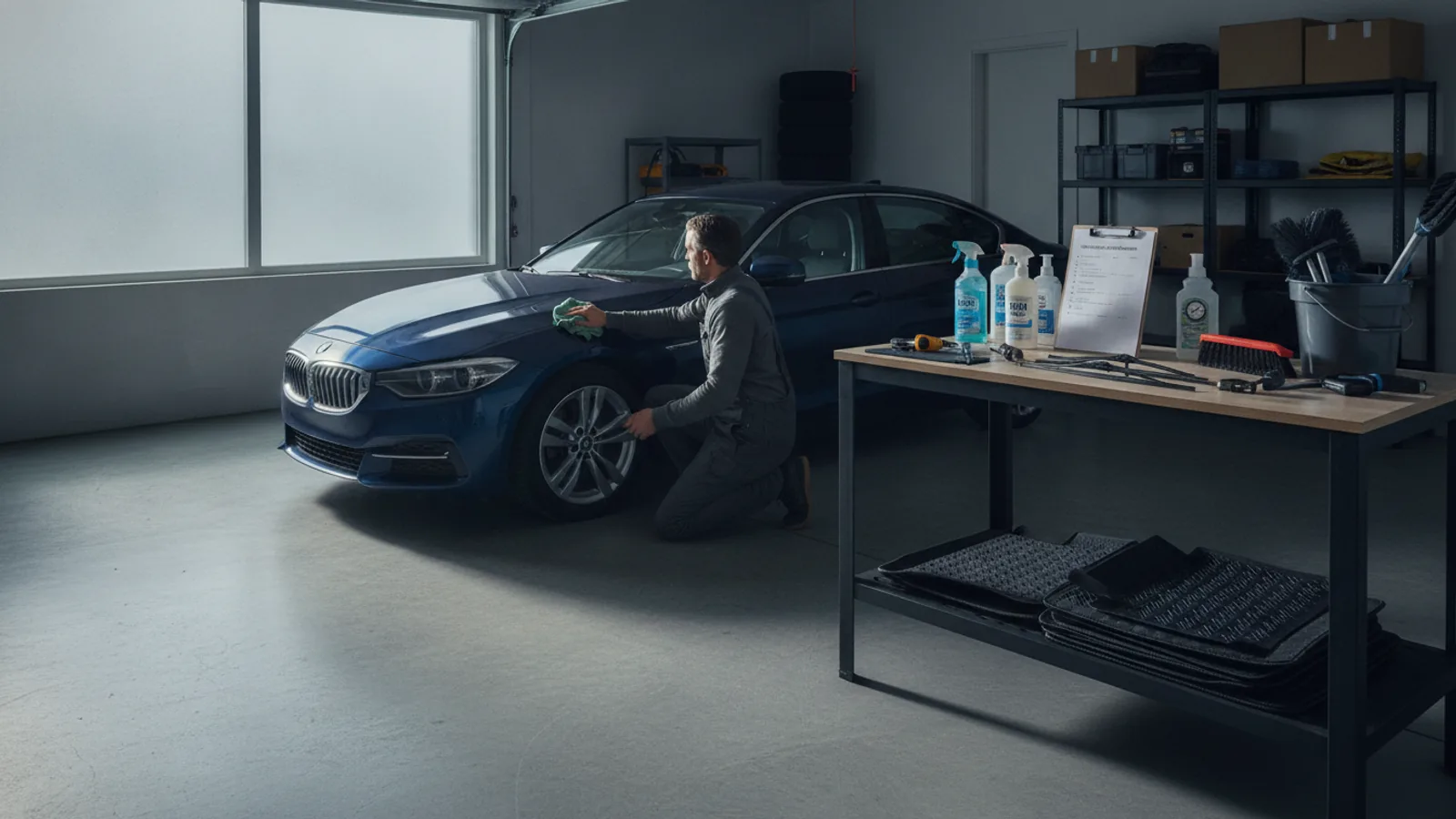
- Gather essential supplies: a tire pressure gauge, antifreeze tester, flashlight, and basic hand tools for quick inspections.
- Review your owner's manual for specific winter maintenance recommendations, such as recommended oil viscosity and tire pressure settings.
- Check your wiper blades for wear and consider installing winter-rated blades designed to handle ice and snow.
- Ensure you have a functional ice scraper, snow brush, and a small shovel stored in your vehicle before the first snowfall.
Step-by-Step Instructions
Inspect and Prepare Your Battery
Cold weather strains your car battery because the engine oil thickens, making it harder to turn over, and the battery itself produces less power in low temperatures. Start by examining the battery terminals for any white or bluish buildup, which indicates corrosion. If you see corrosion, clean it off using a wire brush and a mixture of baking soda and water. Make sure the battery is securely mounted in its tray to prevent vibration damage. Next, have the battery tested at an auto parts store or by a mechanic; many offer this service for free. Focus on the battery's age and its cold cranking amp (CCA) rating, which tells you how well it performs in cold weather. If your battery is more than three years old, it is wise to get it tested to ensure it can handle the winter. A failing battery is a leading cause of winter breakdowns, so this step is crucial. After the test, tighten any loose connections, and if the battery cap is removable, check the electrolyte levels and top off with distilled water if needed.
Check Your Tire Condition and Pressure
Tires are your only contact with the road, and winter conditions demand adequate tread depth and proper inflation. Begin by checking the tire pressure with a reliable gauge when the tires are cold, meaning the car has not been driven for at least three hours. Compare the readings to the manufacturer's recommended pressure, which is usually found on a sticker inside the driver's door jamb or in the owner's manual. Do not use the pressure listed on the sidewall; that is the maximum, not the recommended. Cold temperatures can drop tire pressure by about one psi for every ten degrees Fahrenheit, so check pressure frequently as the weather changes. Next, inspect the tread depth using the penny test: insert a penny into the tread with Lincoln's head upside down; if you can see the top of his head, the tread is too shallow and you need new tires. For winter driving, consider switching to winter tires if you live in an area with significant snow and ice, as they provide better grip. Ensure you maintain a full-size spare if you have one, and keep it properly inflated.
Test Your Antifreeze and Cooling System
Antifreeze, also known as coolant, is essential to prevent your engine's cooling system from freezing, which can cause severe engine damage. Start by allowing the engine to cool completely. Never open the radiator cap while the engine is hot. Once cool, check the coolant level in the overflow reservoir and ensure it is between the low and full marks. If it is low, add a 50/50 mixture of antifreeze and water, using the type recommended in your owner's manual. To test the antifreeze's effectiveness, use an antifreeze tester, available at auto parts stores. This tool measures the freezing point of the coolant. Ensure the coolant is rated for temperatures at least as low as the coldest you expect in your area. If the coolant is old or has a weak concentration, it may need to be flushed and replaced. Also, inspect hoses and belts for cracks, bulges, or leaks; replace any that look worn. The cooling system must be in peak condition to manage the engine's heat in winter and prevent overheating when driving in stop-and-go traffic.
Replace Worn Wiper Blades and Top Off Washer Fluid
Visibility is paramount in winter, especially when driving in snow, sleet, or rain. Worn wiper blades can smear moisture, making it difficult to see, and they are more likely to tear or leave streaks. Begin by examining each wiper blade for cracks or tears in the rubber. Lift the wiper arm away from the windshield and carefully inspect the blade. If you notice any damage, replace the blades with new ones. For winter, you might consider installing winter-specific blades that are designed with a rubber boot to prevent ice buildup. Next, check the windshield washer fluid level. In cold climates, use a winter formula that contains antifreeze to prevent the fluid from freezing on your windshield. Fill the reservoir slightly below the top to allow for expansion. Also, test the washer jets to ensure they spray properly and are not clogged. If they are clogged, use a pin to clear the nozzle. Good wipers and washer fluid are vital for clearing snow, mud, and road salt from your windshield, so do not overlook this simple yet important maintenance step.
Verify All Lights and Electrical Accessories Work Properly
With shorter days and longer nights, your car's lights are more important than ever. A burned-out headlight, taillight, or turn signal can reduce your visibility and make you harder for other drivers to see. Start by turning on your headlights and walking around the car to check that the low beams, high beams, fog lights (if equipped), and daytime running lights all illuminate correctly. Then, check the turn signals, brake lights, and reverse lights by having a helper press the brakes and shift into reverse while you observe the rear lights. Also, check your hazard lights. If any bulbs are out, replace them promptly; refer to your owner's manual for the correct bulb type. While you are at it, clean the lenses of your headlights and taillights with a soft cloth and glass cleaner; built-up grime can dull the light output. Finally, check your interior lights, including the dome light and dashboard lights, to ensure they are functioning, as they help you see controls at night. Proper lighting is a critical safety feature, especially when driving on unlit rural roads or during a snowstorm.
Assemble a Winter Emergency Kit
No matter how well your car is maintained, you can still get stuck in snow, slide off the road, or face a breakdown in freezing temperatures. A well-stocked emergency kit can keep you safe and comfortable until help arrives. Start by selecting a sturdy, waterproof container that fits in your trunk. Essential items include a warm blanket or sleeping bag, extra winter clothing such as gloves and a hat, a flashlight with extra batteries, and an ice scraper and snow brush. Include a bag of sand or kitty litter to provide traction if your wheels spin. Add a small shovel, a pocket knife, and a basic first aid kit. For communication, keep a fully charged portable power bank and a car charger for your phone. Pack high-energy, non-perishable snacks like granola bars or nuts, and a gallon of water. If you are stranded, run your car for short bursts to stay warm, but make sure the exhaust pipe is clear of snow and open a window slightly to avoid carbon monoxide poisoning. Regularly check your kit and replace expired items.
Quick Reference
| Situation | Action | Why it helps |
|---|---|---|
| You are about to drive on a day when the temperature is below freezing and snow is in the forecast. | Check tire pressure, top off washer fluid, ensure lights are clean, and keep at least half a tank of gas. | Tire pressure drops in cold, washer fluid helps visibility, clean lights improve visibility, and a full tank keeps fuel lines from freezing. |
| Your car's battery is more than three years old and you are worried about winter starting issues. | Have the battery tested for cold cranking amps and replace it if it tests below the manufacturer's recommendation. | Cold weather reduces battery capacity, and a weak battery is more likely to fail when you need it most. |
| You are planning a long road trip in winter, but your tires look worn or you have not checked them recently. | Inspect tread depth using the penny test and measure tire pressure when the tires are cold; rotate or replace tires if tread is below 2/32 inch. | Adequate tread and pressure are essential for traction on snow and ice, reducing your risk of a skid or accident. |
Common Issues
- Engine cranks slowly or does not turn over on cold mornings.: This is often due to a weak battery or thickened oil. Test the battery voltage and have it load-tested. Also, consider using a lower-viscosity oil for winter as recommended in your owner's manual. If the problem persists, check the starter and alternator.
- Windshield wiper blades leave streaks or chatter across the glass.: Worn blades can smear moisture and reduce visibility. Examine the rubber for cracks or tears and replace the blades, preferably with winter-specific ones equipped with a protective boot to prevent ice buildup. Clean the windshield thoroughly to remove dirt and wax.
- Frost or ice builds up on the inside of the windshield.: This happens when moisture inside the car condenses on the cold glass. Reduce interior humidity by clearing snow and water from your boots before entering, and use your defroster with the A/C on to dry the air. Ensure your cabin air filter is clean to improve airflow.
Advanced Tips
- Consider installing a block heater or oil pan heater if you live in extremely cold climates, as it helps your engine start and reduces wear on cold starts.
- Use a fuel additive designed for winter to prevent fuel lines from gelling if you drive a diesel vehicle or in very low temperatures.
- Learn how to safely handle a skid by practicing in an empty parking lot covered with snow or ice, but only if you have proper tire traction and no obstacles.
Final Checklist
- Test battery condition and clean any corrosion from the terminals, focusing on cold cranking amp performance.
- Inspect tires for sufficient tread depth and adjust tire pressure to the manufacturer's recommended cold-pressure setting.
- Check antifreeze level and concentration to ensure it is protected down to the coldest expected temperature in your area.
- Prepare and store a comprehensive winter emergency kit in the trunk, including a blanket, flashlight, ice scraper, sand or traction aid, and non-perishable snacks.
FAQ
How often should I check tire pressure during winter?
It is wise to check tire pressure at least once a month and before any long trip. Cold weather can reduce pressure by about one psi for every ten degrees Fahrenheit, so you may need to add air more frequently. Always check when the tires are cold for an accurate reading.
What is the recommended antifreeze mixture for winter?
Most vehicles use a 50/50 mixture of antifreeze and water, which provides protection down to about -34 degrees Fahrenheit. However, you should check your owner's manual for the exact type and ratio. Use an antifreeze tester to verify the mixture's freezing point is below the coldest temperatures you expect.
Do I really need winter tires if I have all-season tires?
All-season tires are a compromise and may not provide optimal traction on snow and ice. Winter tires use a special rubber compound that remains flexible in cold weather and have deeper treads designed for snow. If you regularly drive in snowy or icy conditions, winter tires are a safer choice. For occasional winter driving, all-season tires with good tread might suffice.