How To Plan A Safe At Home Car Wash Routine
A practical step-by-step guide to how to plan a safe at-home car wash routine, including preparation, instructions, common issues, tips, and next steps.
How To Plan A Safe At Home Car Wash Routine
Planning a safe at-home car wash routine protects your vehicle's finish and the environment while saving money. This guide walks you through choosing a safe location, gathering the right supplies, using proper washing techniques, and drying correctly to minimize swirl marks. It also covers quick reference solutions for common problems and advanced tips for a professional result.
Fast Answer
- Park in a shaded area on a cool surface and rinse the car thoroughly to remove loose dirt before washing.
- Use a two-bucket method with a grit guard, wash from top to bottom, and dry with a microfiber towel to prevent scratches.
Before You Start
- Choose a shaded spot on a level surface, ideally on grass or gravel to avoid runoff issues. Ensure there's no direct sunlight to prevent soap from drying on the paint.
- Gather two buckets, a high-quality car wash soap, microfiber wash mitts, drying towels, and wheel cleaner. Avoid using household detergents as they can strip wax.
- Check the weather forecast to avoid washing on windy or dusty days, which can deposit debris onto the wet paint.
- Clear the area of any loose items or obstacles that could interfere with your movement or accidentally scratch the car.
Step-by-Step Instructions
Prepare the Vehicle and Workspace
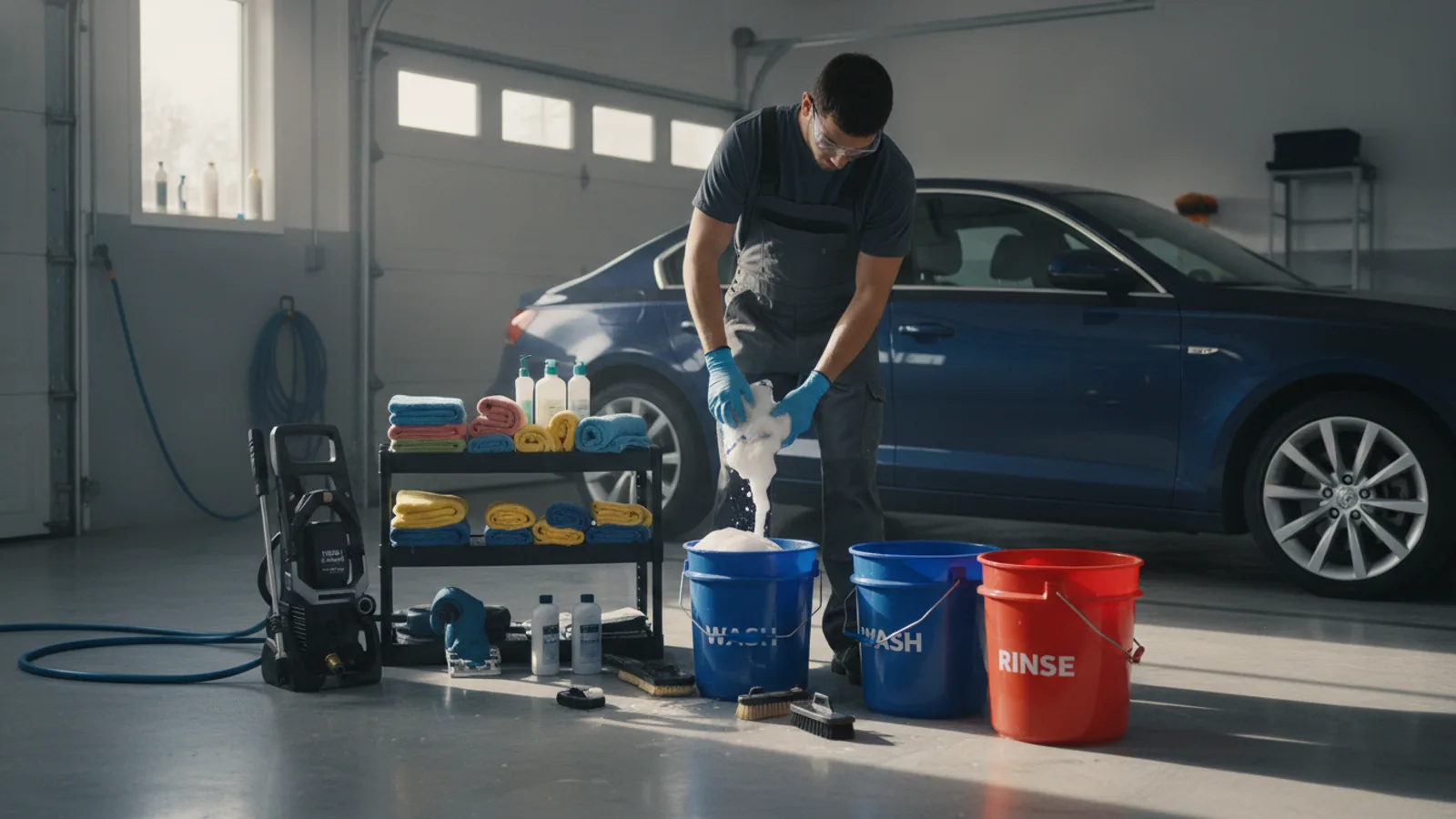
Start by parking your car in a shaded, level area. If you cannot find shade, plan to wash early in the morning or late in the afternoon when the sun is less intense. Remove any loose items from the interior and ensure all windows are closed. Collect your two buckets, car wash soap, wash mitts, and drying towels. Fill one bucket with plain water for rinsing your mitt, and the other with water and the recommended amount of car wash soap. Before you begin, give the car a thorough rinse with a gentle stream of water to remove loose dirt and dust that could scratch the paint when you start washing. This initial rinse also helps to soften any stuck-on debris, making the actual wash safer and more effective.
Wash the Wheels and Tires First
Using a separate bucket and a dedicated wheel brush, spray the wheels and tires with a wheel cleaner suitable for your wheel type. Allow the cleaner to sit for a minute to loosen brake dust, but do not let it dry. Use the brush to gently agitate the surfaces, reaching between spokes and around the tire sidewalls. Work on one wheel at a time, and rinse thoroughly with a strong stream of water. Since wheels are often the dirtiest part, separating this step prevents contamination of the wash mitt used for body panels. After cleaning each wheel, move to the next, ensuring the cleaner is fully rinsed off to avoid spotting. Keep your wheel bucket separate from your body wash buckets to maintain cleanliness.
Wash the Car Body from Top to Bottom
Now, using your soapy bucket, dip the wash mitt into the suds, ensuring it is soaked. Start washing from the roof, then move to windows, upper panels, and finalize with doors and lower panels. This top-down approach ensures that dirty water drips down onto areas you have not washed yet, preventing recontamination. Work in straight lines rather than circles to reduce swirl marks. After each section, rinse the mitt in the plain water bucket and then dip it in the soapy bucket again. This two-bucket method removes dirt from the mitt so it does not grind into the paint. Wash a section, then immediately rinse it with water before moving on, especially in warm weather, to prevent soap from drying.
Rinse Thoroughly and Remove Soap
After washing the entire car, perform a final thorough rinse with water, starting from the top and working your way down. Use a gentle stream of water to remove all soap residue and loosened dirt. Pay special attention to crevices, side mirrors, and wheel wells where soap can hide. Ensure no suds remain, as dried soap can leave a dull film. If you have a hose nozzle with adjustable spray, use a gentle rain setting to rinse. Check for any missed spots or streaks as you go. Once you have rinsed the whole car, prepare to dry it immediately to prevent water spots from forming.
Dry the Car with Microfiber Towels
Fill a bucket with clean water for rinsing the towels, or use a spray bottle with water to keep the towel damp. Take a large, clean microfiber drying towel and lay it gently over a flat panel like the hood. Pull it slowly across the surface to absorb water without rubbing too hard. Do the same for each panel, and use a separate towel for lower areas if they are dirtier. Dry in straight lines and avoid circular motions to minimize the chance of fine scratches. If the car is still water-spotted, use a quick detailer to help remove spots. Once the body is dry, open the doors and trunk edges to wipe off any water in jams and seams using a small microfiber towel.
Apply a Protective Wax or Sealant
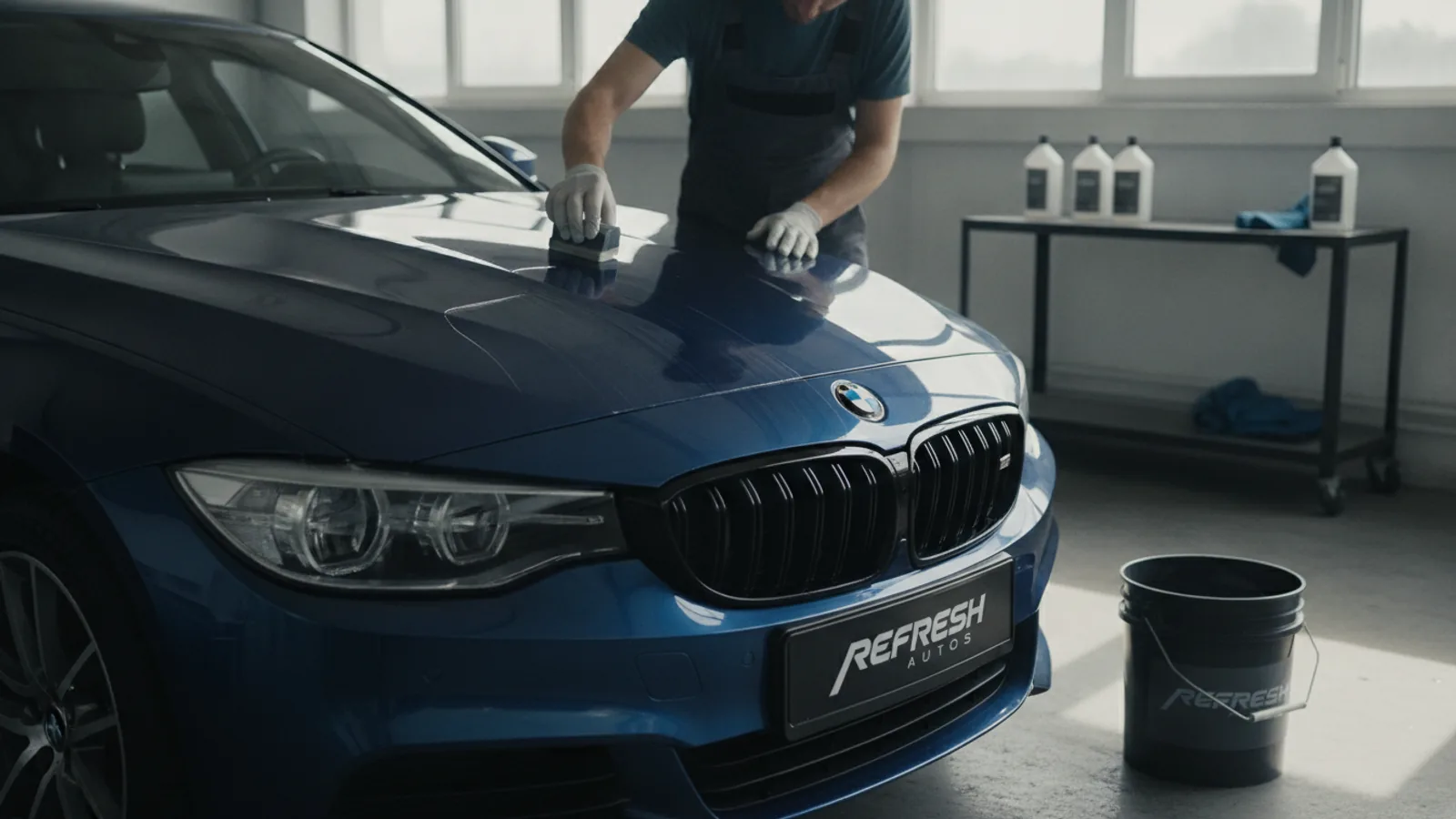
After the car is completely dry, you can apply a layer of carnauba wax or a synthetic sealant to protect the paint and add shine. Choose a product that matches your needs, such as a spray wax for quick application or a paste wax for longer-lasting protection. Work in a shaded area and apply a thin, even layer using a foam applicator pad, following the manufacturer's instructions. Wait for the wax to dry to a haze, then buff it off with a clean microfiber towel. Work in small sections, such as the hood or door, to make buffing easier. Waxing every few months helps shield the paint from UV rays and contaminants, making future washes easier. If you use a sealant, follow the directions for curing time.
Quick Reference
| Situation | Action | Why it helps |
|---|---|---|
| Bird droppings or tree sap on the paint | Spray the affected area with a quick detailer, let it soak for a minute, then gently wipe with a microfiber towel using a soft, dabbing motion. Rinse with water. | Soaking loosens the acidic substances that can etch the clear coat, and of the dabbing motion prevents scratching. |
| Water spots remain after drying | Mix a solution of white vinegar and water in a spray bottle, mist the spots, then wipe with a clean microfiber towel and rinse with water. | The mild acidity in vinegar helps dissolve the minerals left by water spots without damaging the clear coat. |
| Soap residue or streaks on windows and mirrors | After washing, use a dedicated glass cleaner and a clean microfiber cloth to wipe windows and mirrors using a horizontal motion, then a vertical motion. | Dedicated glass cleaner cuts through soap film and the two-direction wipe ensures even coverage and streak-free results. |
Common Issues
- Swirl marks appear after washing: Switch to a two-bucket method, use a high-quality microfiber mitt, and always rinse the mitt before dipping into the shampoo. Wash in straight lines and dry with a soft microfiber towel to avoid circular motions.
- Soap dries on the paint and leaves a film: Wash and rinse one section at a time, especially in warm weather. If soap dries, use a clay bar with lubricant to remove the film, then re-wax the area.
- Water spots are stubborn and do not wipe off: Use a dedicated water spot remover or a mild clay bar treatment. Follow with a polish if needed and apply a fresh layer of wax to protect the surface.
Advanced Tips
- Use a foam cannon to pre-soak the car with foam before hand washing; this helps lift dirt and reduces friction, but be sure to rinse the foam off after 5-10 minutes.
- Invest in a pressure washer with a wide spray pattern to rinse efficiently, but never use a narrow, high-pressure jet close to the paint as it can damage trim or force water into crevices.
- Consider using a waterless or rinseless wash product for quick touch-ups when the car is only lightly dusty, as these products lubricate dirt to minimize scratching.
Final Checklist
- Ensure the car is parked in a shaded area and the surface is cool before starting.
- Use two buckets, one for soap and one for rinsing, and never skip the grit guard.
- Wash from top to bottom, rinsing sections immediately to prevent drying.
- Dry with clean microfiber towels and finish with a protective wax or sealant.
FAQ
How often should I wash my car at home?
It depends on your environment and usage. As a general rule, every two weeks is a good interval to remove dirt and pollutants, but if you live in a dusty area or park under trees, you may need to wash weekly. Always rinse off bird droppings and bug splatter as soon as possible.
Can I use dish soap to wash my car?
No. Dish soap is not designed for automotive paint and will strip wax, dry out rubber trim, and can damage the clear coat over time. Use a pH-balanced car wash soap that is gentle on wax and safe for your finish.
Is it safe to wash my car in direct sunlight?
It is not recommended because the soap and water can dry quickly, leaving spots and streaks. The heat can also make products like wax harder to apply evenly. Always try to wash in the shade or on a cloudy day.