Removing Road Film From Exterior Trim Safely Checklist For First Time Readers
A practical step-by-step guide to removing road film from exterior trim safely checklist for first-time readers, including preparation, instructions, common issues, tips, and next steps.

Removing Road Film From Exterior Trim Safely Checklist For First Time Readers
This guide provides a safe and thorough method for removing road film from your vehicle's exterior trim without causing damage. Road film is a sticky residue of oils, waxes, and dirt that builds up on plastic, rubber, and metal surfaces. If left untreated, it can dull trim, promote fading, and attract more grime. This step-by-step checklist is designed for first-time readers, using mild, readily available supplies and gentle techniques. You will learn how to assess the trim type, clean it properly, and protect it afterward, ensuring a refreshed look without harming the finish.
Fast Answer
- Mix a mild automotive soap with warm water and use a soft microfiber cloth to gently wipe the trim, focusing on one section at a time, then rinse thoroughly.
- For stubborn residue, apply a small amount of isopropyl alcohol to a cloth and dab at the road film, then wipe with a clean damp cloth and dry.
Before You Start
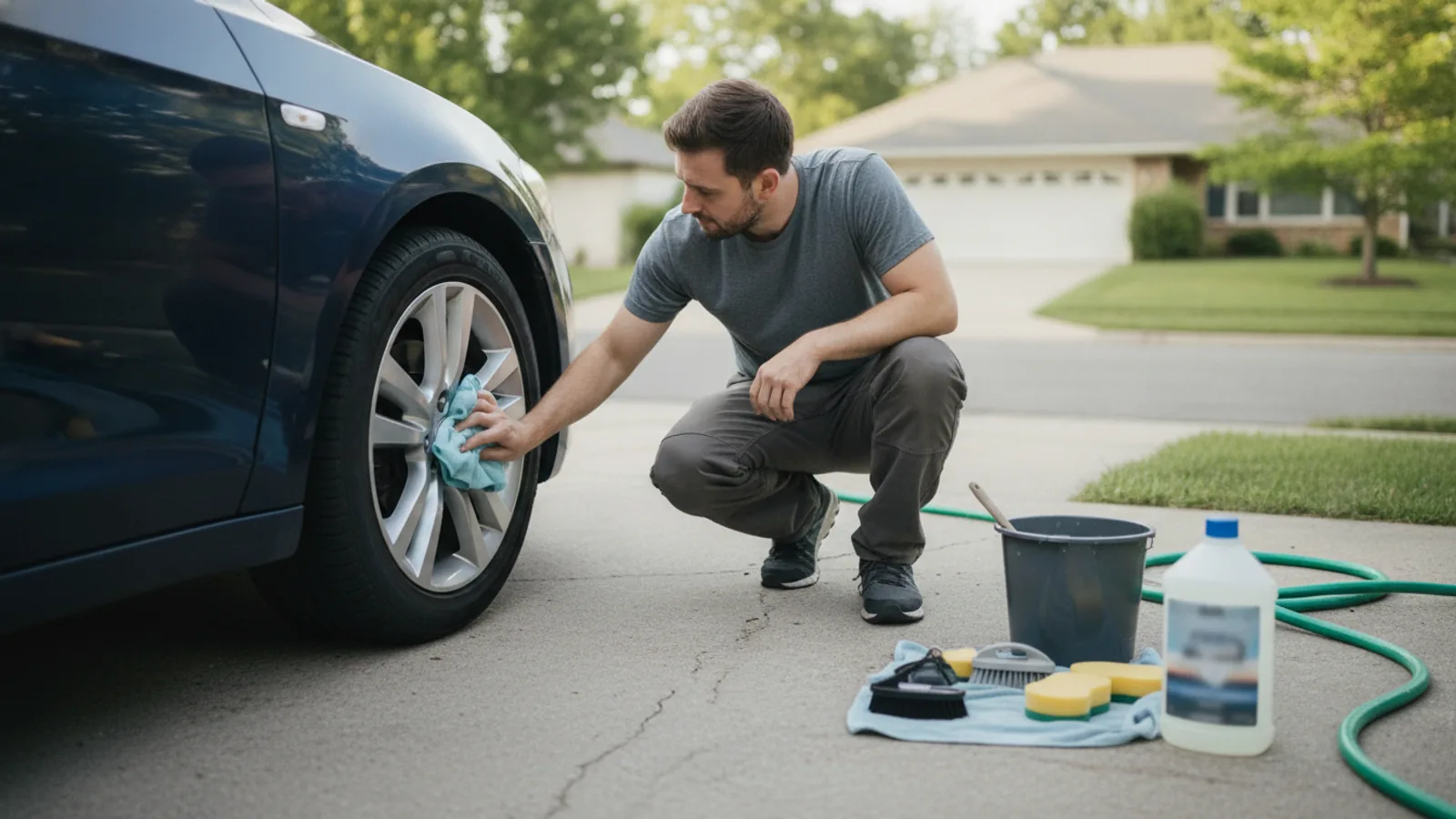
- Gather supplies: mild car wash soap, two buckets, clean microfiber towels (at least three), soft-bristle brush (e.g., old toothbrush), isopropyl alcohol (70% or less), spray bottle with water, and a trim protectant of your choice.
- Park the vehicle in a shaded area to avoid soap drying too quickly and causing streaks. Ensure the exterior is cool to the touch.
- Rinse the trim with plain water using a hose or spray bottle to remove loose dust and grit, reducing the risk of scratching during cleaning.
- Test any cleaning solution on a hidden, small area of the trim (like inside a door edge) to confirm it does not discolor or damage the material.
Step-by-Step Instructions
Assess the Trim Type and Condition
Begin by identifying what kind of exterior trim you are dealing with. Common types include black plastic, rubber seals, chrome or metal accents, and sometimes painted trim. Look for signs of age, like fading or cracking, and note any areas where road film appears heavy. This initial assessment tells you which cleaning method will be safest. For example, plastic is more porous and may require gentle care, while metal can tolerate a bit more friction. Check your vehicle's manual if you are unsure about the trim material. A thorough inspection prevents you from using a technique that could cause permanent damage. Take note of any loose edges or peeling sections, as these need extra caution.
Prepare the Cleaning Solutions
Fill one bucket with warm water and the recommended amount of mild car wash soap. Fill a second bucket with clean water for rinsing your cloth. This two-bucket method keeps dirt from recontaminating the trim. In a separate spray bottle, mix one part isopropyl alcohol with three parts water for stubborn film. Have a dedicated microfiber cloth for the soapy water, another for drying, and one for applying alcohol. Preparation ensures you have everything within reach and reduces the risk of cross-contamination. Remember to label the spray bottle clearly to avoid confusion. Always use water that is not too hot to prevent damaging the trim.
Rinse the Surface to Remove Loose Dirt
Before applying any soap, rinse the exterior trim with a gentle stream of water from your hose or a spray bottle. This step removes loose sand, dust, and other abrasive particles that could scratch the surface during washing. Start from the top of the trim and work your way down, allowing the water to carry debris away. Pay special attention to seams and edges where grit accumulates. Rinsing first also helps the soap work more effectively. If you are using a spray bottle, use a flutter spray to avoid high pressure. This pre-rinse takes only a couple of minutes but significantly reduces the risk of scratches.
Wash the Trim with Soapy Water
Dip a clean microfiber cloth into the soapy water, wring it out so it's damp but not dripping, and wipe the trim gently in a back-and-forth motion. Work in small sections to ensure you don't miss any spots. Rinse the cloth frequently in the clean water bucket to remove trapped dirt. For textured areas, use a soft-bristle brush dipped in the soapy water and scrub lightly in a circular motion. Avoid applying excessive pressure, as that can damage the surface. After washing each section, rinse it immediately with plain water to prevent soap from drying. This thorough wash lifts most of the road film without harsh chemicals.
Remove Stubborn Road Film with Alcohol
If road film remains after washing, dampen a clean microfiber cloth with the isopropyl alcohol mixture. Test in an inconspicuous area first if you did not already. Gently dab or wipe the affected areas using light pressure. The alcohol breaks down oily residue without harming most trim materials, but avoid soaking the trim. Work quickly and do not let the alcohol sit for long. After treating a section, immediately wipe with a clean damp cloth to remove any dissolved residue. Then dry the area with a fresh towel. This targeted approach effectively dissolves grease and tar that soap alone may not remove.
Dry and Inspect the Trim
After cleaning, use a dry microfiber towel to thoroughly dry the trim. This prevents water spots and reveals any remaining streaks or residue. Inspect the trim under good lighting, moving your hand slowly over the surface to feel for any sticky or rough spots. If you find any, repeat the targeted cleaning step. Also check that no soap or alcohol residue remains. Once the trim is clean and dry, you can apply a protectant specifically designed for exterior trim to restore shine and protect against UV damage. Follow the product instructions for application and drying time. Your clean trim will look refreshed and be better protected against future road film buildup.
Quick Reference
| Situation | Action | Why it helps |
|---|---|---|
| You notice yellowish stains on plastic trim, likely from road film. | Mix a solution of one part vinegar to three parts water and gently wipe the stained area with a soft cloth. | Vinegar is mildly acidic and helps break down mineral deposits and oily film without harsh chemicals. |
| Trim has a sticky, tacky feel after washing. | Dampen a cloth with rubbing alcohol and gently rub the sticky area, then rinse with water and dry. | Rubbing alcohol effectively dissolves sticky residues like dried tree sap or road tar. |
| Trim appears dull and faded after cleaning. | Apply a dedicated exterior trim dressing or protectant using a foam applicator, following the product directions. | Protectants restore oils to plastic and rubber, reducing fading and creating a barrier against dirt and UV rays. |
Common Issues
- White chalky film appears on trim after washing.: This is often caused by dried soap or mineral deposits. Rinse the trim with distilled water and wipe with a microfiber cloth. If it persists, use a solution of water and vinegar (3:1) to gently remove the film.
- Trim becomes too shiny or greasy after applying protectant.: Buff the trim with a clean, dry microfiber cloth to remove excess product. If it's too slippery, wash lightly with soapy water and reapply a thinner coat.
- Road film reappears within days.: Ensure you are using a protectant after cleaning, as it creates a barrier that repels oils. Also, park away from industrial areas or busy roads when possible, and clean trim regularly to prevent buildup.
Advanced Tips
- After washing, clay bar the trim (if it's smooth) to remove embedded contaminants that soap can't, but use a lubricant and gentle pressure.
- Use a marine-grade protectant on plastic and rubber trim for longer-lasting protection against harsh weather and UV rays.
- Apply a small amount of mineral oil to a microfiber cloth and wipe on natural rubber trim to keep it supple and prevent cracking.
Final Checklist
- Checked the trim type and condition to choose the right cleaning method.
- Gathered all supplies: soap, buckets, microfibers, brush, alcohol, water.
- Rinsed, washed, and spot-cleaned each section in order.
- Dried the trim and applied a protective dressing or sealant.
FAQ
How often should I clean exterior trim to prevent road film buildup?
It depends on your driving environment. If you drive on highways with lots of trucks, you may need to clean every two weeks. In normal conditions, monthly cleaning is sufficient. Regularly applying a protectant after washing helps reduce how often you need to deep-clean.
Can I use household cleaners like dish soap to remove road film?
Avoid using dish soap, as it can strip protective waxes and dry out plastic and rubber trim, causing premature fading. Use a pH-neutral automotive soap specifically designed for car washing. These are milder and safer for exterior surfaces.
What if my trim is painted or has a clear coat?
If the trim is painted, treat it like the rest of the car's paint. Use a dedicated car shampoo and avoid any abrasive scrubbers. For stubborn road film, use a clay bar with lubricant. Do not use alcohol-based products on painted trim, as they can damage the clear coat.